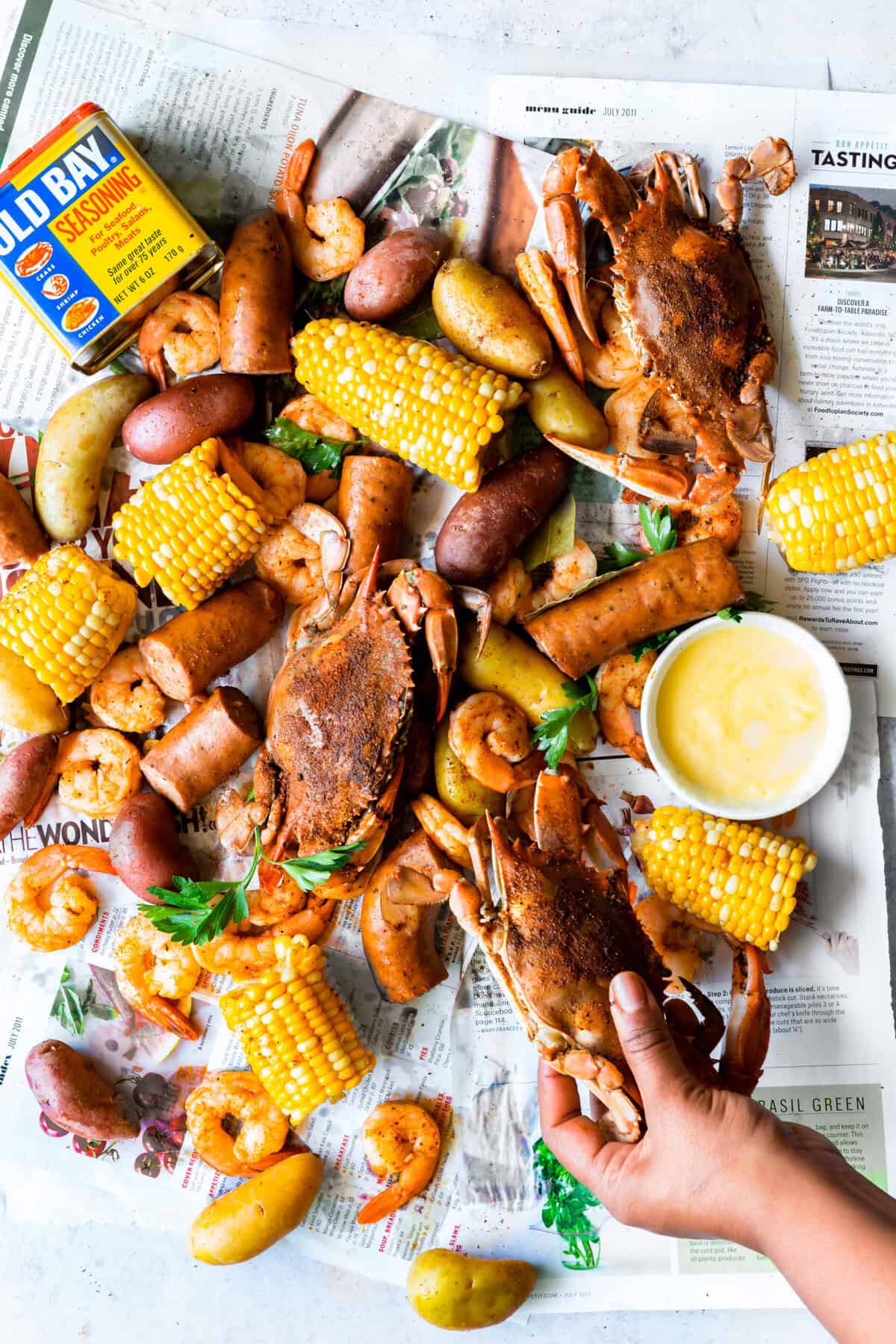
Imagine a symphony of aromas – the briny whisper of the ocean, the savory scent of smoked sausage, the earthy perfume of potatoes, and the sweet promise of corn, all mingling with a distinct blend of spices. This is the sensory prelude to a Southern classic that is far more than just a meal; it's an event, a tradition, and a deep dive into the heart of Lowcountry culture: the low country boil. More affectionately known by some as Frogmore Stew, this iconic dish encapsulates the spirit of gathering, community, and the rich, often poignant, history of the American South. It's a culinary ritual where fresh, abundant ingredients meet a laid-back, communal eating style, creating memories as flavorful as the food itself.
The Heart of Southern Hospitality: What is a Low Country Boil?
At its core, a low country boil is a magnificent one-pot wonder, a culinary marvel designed to feed a crowd with minimal fuss and maximum flavor. Picture a colossal pot, bubbling merrily, transforming simple, fresh ingredients into a feast. The essential components typically include:
- Fresh Shrimp: Often the undisputed star, cooked just until pink and tender, soaking up all the surrounding flavors.
- Smoked Sausage: Lending a smoky, savory depth that perfectly complements the seafood. Andouille or a good quality kielbasa are common choices.
- Red Potatoes: Tender and absorbent, they become delicious sponges for the seasoned broth.
- Sweet Corn on the Cob: Halved or quartered, the corn adds a burst of sweetness and vibrant color.
While these are the foundational elements, the beauty of a low country boil lies in its flexibility. Many enthusiasts add blue crab, crawfish, or even clams and mussels to their pot, tailoring it to their taste and the bounty of the season. The magic truly happens when these ingredients simmer together in a generously seasoned broth, often featuring a blend like Old Bay, garlic, onions, and various herbs. The resulting flavor profile is a harmonious blend of spicy, savory, and sweet, a true taste of the coastal South.
What makes a low country boil so beloved isn't just its deliciousness, but its inherent ease. It's a "set it and forget it" kind of meal where timing is key, but skill level is secondary. This makes it an ideal choice for entertaining, allowing hosts to spend more time with their guests and less time chained to the stove. The promise of happy memories made around a steaming table is practically guaranteed with this delightful dish.
A Tapestry of Names: From Beaufort to Frogmore Stew
Like many deeply rooted regional dishes, the low country boil goes by several endearing names, each hinting at its geographical origins and local pride. You might hear it called:
- Shrimp Boil: Emphasizing the primary seafood component.
- Seafood Boil: A broader term acknowledging the potential for other shellfish.
- Charleston Stew: Tying it directly to the historic port city renowned for its culinary heritage.
- Beaufort Boil: A nod to another charming Lowcountry town, Beaufort, South Carolina.
- Beaufort Stew: A similar homage to the same locale.
- Frogmore Stew: Perhaps the most distinctive alternative name, and one that carries a specific historical weight.
The name Frogmore Stew holds a special place in the lore of the low country boil. Frogmore is not just a whimsical name; it refers to a small community on St. Helena Island, nestled just south of Charleston. Legend has it that this unassuming coastal locale is the birthplace of this celebrated dish. Whether its origins lie precisely in Frogmore or simply represent the broader St. Helena Island tradition, the name serves as a powerful reminder of the dish's deep roots in a specific, historically significant part of the South Carolina Lowcountry. Regardless of what you call it, from a Charleston Stew to a Beaufort Boil, the essence remains the same: a delectable, communal seafood feast that celebrates the bounty of the coast and the warmth of Southern hospitality.
Gullah Roots: The Unsung History of Low Country Boil
To truly understand the history of the low country boil and its alternative, Frogmore Stew, one must journey back to a crucial, yet often overlooked, cultural influence: the Gullah people. The Gullah, descendants of enslaved West Africans brought to the Sea Islands of South Carolina and Georgia, maintained a remarkably distinct culture, language, and culinary tradition due to their relative isolation. This sad and often brutal chapter of American history ironically became the wellspring for many of the beloved Southern dishes we enjoy today, and the low country boil is a prime example.
The Gullah people, with their profound connection to the land and sea, developed resourceful ways of cooking, often relying on abundant local ingredients and a "one-pot" philosophy. Their West African heritage emphasized communal meals and flavorful stews, a tradition that seamlessly merged with the available seafood and produce of the Lowcountry. It's easy to envision Gullah cooks utilizing freshly caught shrimp, local corn, and potatoes, seasoned with the spices they had access to, creating a hearty and nourishing meal that could feed many with efficiency and deliciousness.
The communal aspect of the low country boil – cooking in one large pot, eating together from a shared surface – strongly echoes the communal foodways inherent in many West African cultures. This dish, therefore, isn't just a recipe; it's a living legacy, a testament to the resilience, ingenuity, and culinary brilliance of the Gullah people. Their influence is woven into the very fabric of Lowcountry cuisine, from the preparation methods to the flavor profiles, ensuring that every bite of a low country boil carries a whisper of this profound cultural heritage.
The Low Country Boil Experience: More Than Just Food
Beyond its delicious taste and rich history, the low country boil is defined by its unparalleled eating experience. It’s not just a meal; it’s a gathering, a celebration of togetherness. Once the ingredients are perfectly cooked and infused with flavor, the traditional serving method is part of the fun: the entire contents of the pot are drained and then ceremoniously poured out directly onto a long table. This table is often covered with newspaper, brown paper, or aluminum foil, adding to the informal, convivial atmosphere.
Guests gather around, sleeves rolled up, ready to dive in. There are no fancy plates or cutlery; this is a hands-on affair, encouraging interaction and shared enjoyment. Peeling shrimp, shucking corn, and savoring the succulent pieces of sausage and potato become a collective activity, sparking conversation and laughter. It’s an ideal way to feed a large crowd – be it a family reunion, a wedding reception, a backyard barbecue, or a casual party. The sheer volume of food, combined with the communal eating style, fosters a unique bond among diners.
From a host's perspective, the low country boil offers incredible advantages. Not only is the cooking largely hands-off, but cleanup is also a breeze. Once the feasting is done, the paper or foil covering the table, along with any remnants, can simply be rolled up and disposed of, leaving minimal washing up. This blend of simplicity, abundance, and memorable interaction is precisely why the low country boil remains an enduring symbol of Southern hospitality and joy.
For those eager to recreate this magic in their own backyard, our guide on Easy Low Country Boil: Your One-Pot Southern Seafood Feast Guide offers step-by-step instructions for a flawless meal. And if you're planning a grand affair, discover how to Host a Southern Feast: The Low Country Boil for Parties & Crowds, ensuring your event is remembered for years to come.
Conclusion
The low country boil, or Frogmore Stew as it's affectionately known in some circles, is more than just a recipe; it's a vibrant thread in the rich tapestry of Southern culture. From its humble origins rooted in necessity and the profound influence of Gullah traditions, to its evolution into a beloved symbol of communal celebration, this iconic dish embodies hospitality, flavor, and history. Whether you're savoring the perfectly seasoned shrimp, the sweet corn, or the savory sausage, you're not just enjoying a meal – you're participating in a timeless Southern ritual that continues to bring people together, creating delicious memories one pot at a time.
