Host a Southern Feast: The Low Country Boil for Parties & Crowds
Imagine the warm sun on your face, the laughter of friends and family filling the air, and the intoxicating aroma of seasoned seafood wafting from a steaming pot. This isn't just a daydream; it's the quintessential experience of a *low country boil*, the South's beloved answer to the traditional clambake. More than just a meal, a low country boil is a vibrant social event, a celebration of community, and a testament to the delicious simplicity of Southern hospitality. If you're looking for an unforgettable way to entertain, to feed a crowd with minimal fuss but maximum flavor, then look no further than this iconic one-pot feast.
What Makes a Low Country Boil an Unforgettable Feast?
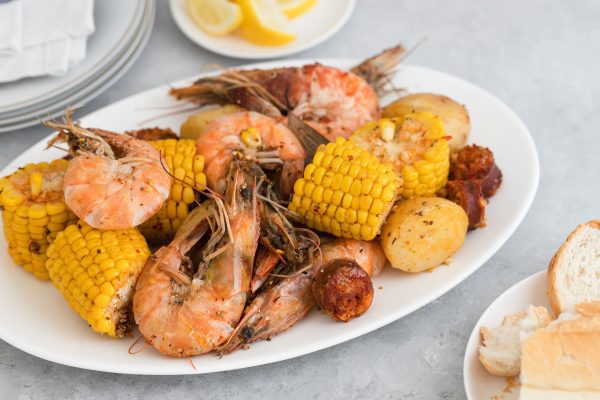
At its heart, a *low country boil* is a magnificent medley of fresh, flavorful ingredients cooked together in one colossal pot. The star components typically include succulent fresh shrimp, hearty smoked sausage, sweet corn on the cob, and tender red potatoes. What elevates these simple ingredients into an extraordinary culinary experience is the symphony of spices and herbs that infuse every bite. Think robust Old Bay seasoning, hints of garlic, bay leaves, and sometimes a touch of cayenne for that characteristic Southern kick.
This unique combination yields layers of flavor. The potatoes soak up the savory broth, becoming melt-in-your-mouth tender. The corn kernels burst with sweetness, enriched by the juices of the sausage and shrimp. And the shrimp itself? Perfectly cooked, plump, and packed with the spicy, aromatic essence of the boil. It’s a dish where every component shines, yet contributes to a cohesive, deeply satisfying whole. The beauty lies not just in its taste, but in its ease. This isn't a complex, multi-dish spread; it's an all-in-one wonder that ensures hosts can spend less time in the kitchen and more time enjoying their guests.
The Heart of Southern Hospitality: Hosting Your Own Low Country Boil Event
The phrase "I'm going to a low country boil" isn't just about eating; it implies attending a lively party. This is where the *low country boil* truly distinguishes itself – as an event designed for gathering, conversation, and communal enjoyment. It’s an ideal choice for celebrations of all sizes, from intimate family reunions to large weddings and corporate picnics. Whether you're planning a low country boil for 25 or 50, its inherent scalability makes it a perfect solution for feeding a multitude.
The serving ritual itself is part of the spectacle. Once cooked to perfection, the entire contents of the pot are dramatically drained and then ceremoniously poured out onto a long table. This table is often covered with practical and charming materials like brown paper, aluminum foil, or even newspaper, creating a rustic, inviting canvas for the feast. Guests then gather around, reaching in with their hands to pick out their favorite morsels. There's an immediate sense of camaraderie as everyone digs into the shared bounty.
To enhance the experience, provide plenty of warm, crusty bread for soaking up the flavorful juices, alongside lemon wedges, cocktail sauce, and melted butter. Don't forget an abundance of napkins (or paper towels!) and maybe even some wet wipes for easy cleanup. The informal, hands-on nature of the meal encourages interaction and creates lasting memories, making your *low country boil* a true celebration of connection and good food.
Tracing the Roots: A Glimpse into the Low Country Boil's Heritage
While universally beloved, the *low country boil* is known by several charming aliases, including Shrimp Boil, Beaufort Boil, Beaufort Stew, Charleston Stew, and Seafood Boil. Perhaps its most evocative alternative name is Frogmore Stew. This moniker points directly to its purported birthplace: Frogmore, a small community nestled on St. Helena Island in South Carolina's coastal Lowcountry, just south of Charleston.
This region is not only geographically significant but also culturally rich, being home to the Gullah people. The Gullah are descendants of enslaved West Africans who were brought to the coastal regions of South Carolina and Georgia, and their vibrant culture has profoundly shaped many beloved Southern dishes. The *low country boil*, born out of necessity as a simple, hearty meal to feed fishermen and large groups efficiently, quickly evolved into the celebrated communal feast we know today. Its humble origins, rooted in a challenging yet resilient history, only add to its depth and significance as an iconic Southern recipe. To delve deeper into this fascinating history, be sure to read
Frogmore Stew & Gullah Roots: Unpacking Low Country Boil History.
Mastering Your Low Country Boil: Tips for Success
Creating the perfect *low country boil* is surprisingly straightforward, but a few expert tips can elevate your feast from good to absolutely legendary.
1. **The Right Pot:** Invest in a very large stockpot (often called a "boil pot") with a strainer basket. This makes draining the feast incredibly easy and safe.
2. **Ingredient Selection:**
* **Shrimp:** Always opt for fresh, head-on shrimp if possible, as the heads add extra flavor to the broth. If not, peeled and deveined frozen shrimp work just fine.
* **Sausage:** Smoked sausage is traditional. Andouille sausage provides a fantastic kick, but kielbasa or other smoked varieties are also excellent.
* **Potatoes:** Small red potatoes hold their shape well and absorb flavor beautifully.
* **Corn:** Fresh sweet corn on the cob, cut into smaller pieces, is ideal.
3. **Seasoning is Key:** While Old Bay is a classic, don't be shy about adding extra garlic cloves, halved lemons, bay leaves, and even a generous pour of hot sauce or liquid crab boil concentrate for an extra punch. Taste the boiling water before adding your ingredients to ensure it's seasoned to your liking.
4. **Timing Matters:** Add ingredients in stages according to their cooking times. Potatoes and sausage go in first, as they take the longest. Corn follows, and finally, the shrimp, which cook very quickly (just a few minutes until pink and opaque). Overcooked shrimp can be rubbery, so a timer is your best friend.
5. **Serving Setup:** Lay out your chosen table covering (brown paper is excellent for cleanup), have plenty of napkins, and bowls for discarded shells readily available. Consider offering a variety of dipping sauces beyond just cocktail sauce, such as a homemade garlic butter or a spicy aioli.
6. **Don't Forget the Sides (and Drinks!):** A simple green salad or coleslaw can be a refreshing counterpoint to the rich boil. For drinks, iced tea (sweet, of course!), cold beer, or a crisp white wine pair wonderfully.
With these tips, you're well on your way to hosting a memorable Southern feast that will have your guests talking for years. For a comprehensive, step-by-step guide to preparing your own delicious feast, check out
Easy Low Country Boil: Your One-Pot Southern Seafood Feast Guide.
Conclusion
The *low country boil* is far more than just a recipe; it’s a cherished Southern tradition, an embodiment of hospitality, and a feast designed for making happy memories. Its simple preparation, incredible flavor, and communal serving style make it the ideal choice for any gathering, large or small. By embracing its rich history, understanding its core ingredients, and following a few simple tips, you can effortlessly host a spectacular Southern feast that celebrates delicious food, good company, and the enduring charm of the Lowcountry. So gather your loved ones, prepare your biggest pot, and get ready to create an unforgettable culinary experience that truly captures the spirit of the South.